The municipal recycling programs that actually move their rates share four habits: they make sorting rules impossible to misread, give residents direct feedback when they get it wrong, price disposal so recycling is the cheaper choice, and use collection data to aim effort where it pays. None of these is a technology silver bullet. They are operational disciplines any local authority can start on this quarter.
Why it matters: recycling has stalled across much of the developed world. The EU's average municipal recycling rate was 43.3% in 2023 — short of the 55% every member state is meant to reach by 2025 (European Environment Agency). In the United States, the rate has hovered around 32% for two decades (US EPA). Closing that gap is less about new bins and more about how a municipal recycling program is run day to day.
Here are the levers that consistently show up in programs that improve.
Make sorting rules impossible to misread
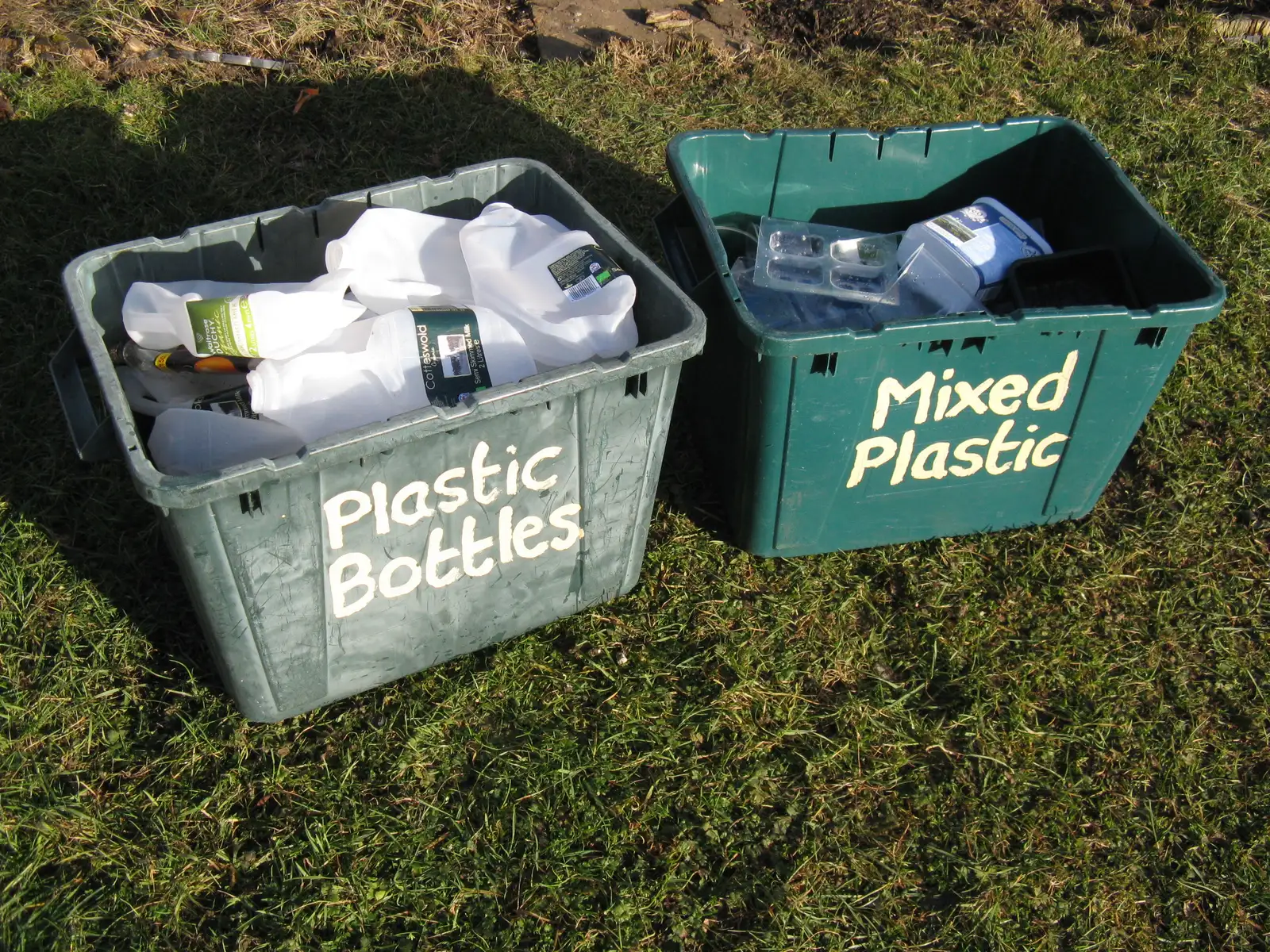
Most contamination is not defiance — it is confusion. Rules differ street to street, packaging is ambiguous, and one wrong item ("wishcycling") can taint a whole load. Programs that move rates standardise their accepted-materials list, print plain-language guidance on the bin itself, and repeat it through every channel residents actually use.
Clear, consistent instructions do more than tidy the stream: they raise the quality of what is collected, which is what decides whether material gets recycled or landfilled downstream. Our companion post on the hidden consequences of poor recycling walks through why contaminated loads are so costly.
Give residents direct, specific feedback
Guidance alone fades. The programs that hold contamination down add a feedback loop: when a bin contains the wrong items, the household hears about it quickly and specifically.
The clearest evidence comes from cart-tagging. In Washington DC, a program run by The Recycling Partnership inspected recycling carts and left "Oops" tags on the contaminated ones; contamination fell from 18% to 13% in the first phase and to 7% in a later one (The Recycling Partnership). The mechanism is simple — timely, personal feedback tied to the household's own behaviour.
At scale, that feedback is a communication problem as much as a collection one. Keeping resident contact, requests and follow-ups in one place — a CRM built for waste operations — is what turns a feedback loop into routine practice instead of a one-off campaign.
Price disposal so recycling is the easier choice
When filling the general-waste bin costs the same no matter the volume, there is little reason to separate anything. Pay-as-you-throw (PAYT) — charging by how much general waste a household sets out, while keeping recycling free — changes that maths.
A study of 34 towns found that unit-based pricing cut the waste sent for disposal by 42% to 54% compared with towns charging a flat fee (University of New Hampshire). Not all of that becomes recycling — some is plain waste prevention, and authorities have to watch for illegal dumping — but the direction is consistent: make disposal visible and priced, and diversion rises.
Use data to run a smarter municipal recycling program
The last habit is measurement. A program that cannot see where contamination clusters, which routes carry the most overflow, or how participation varies by neighbourhood is planning blind.
This is where sensing and governed analytics earn their place: fill-level sensors and container tracking turn bins into a data source, and clean reporting turns that data into decisions about where to send the next education push or cart-tagging crew. The aim is not automation for its own sake — a person still decides where to act on what the data shows. Platforms built for municipal utilities exist to make that loop — measure, target, act, measure again — repeatable. For the wider picture on needs-based operations, see our hub on recycling and compliance.
Frequently asked questions
What is the single biggest lever on recycling rates?
Reducing contamination. Clear rules plus direct resident feedback protect the quality of collected material, which decides how much is actually recycled rather than rejected downstream.
Does pay-as-you-throw really work?
It reliably cuts the waste sent for disposal — one study of 34 towns found 42% to 54% less (University of New Hampshire) — though authorities should keep recycling free and watch for illegal dumping.
How quickly can a program improve?
Feedback-based interventions can move contamination in weeks: DC's cart-tagging brought it from 18% down to 7% across two short phases (The Recycling Partnership). Structural gains in the headline rate take longer.
Interested in hearing more? Get in touch with a WasteHero expert.