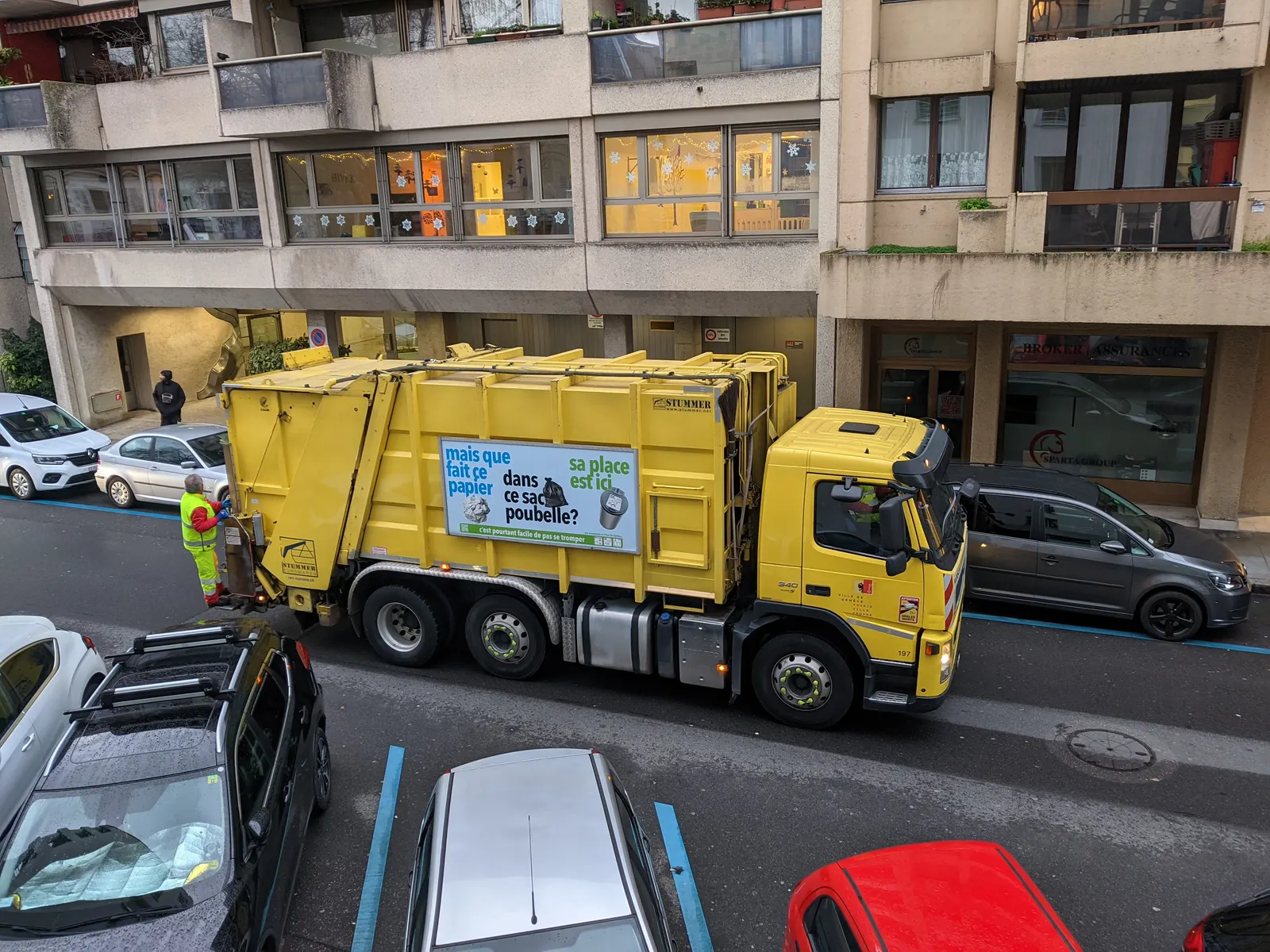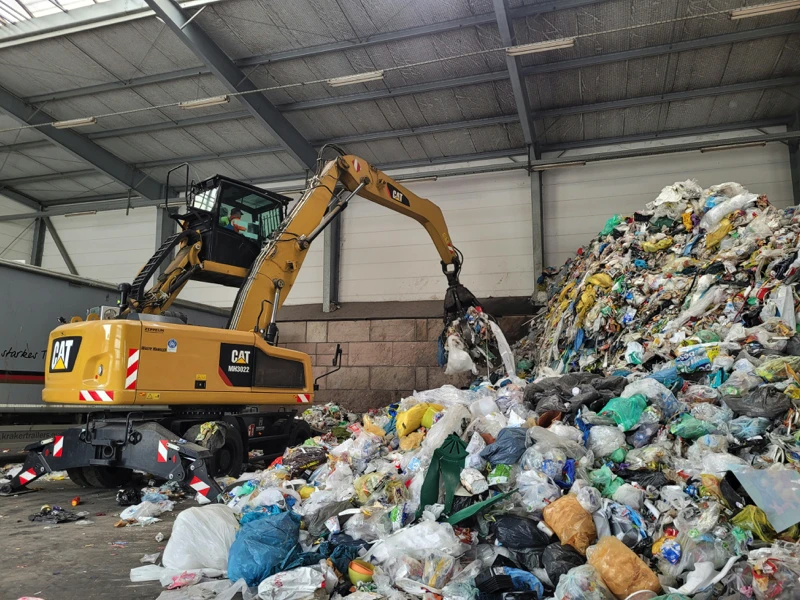
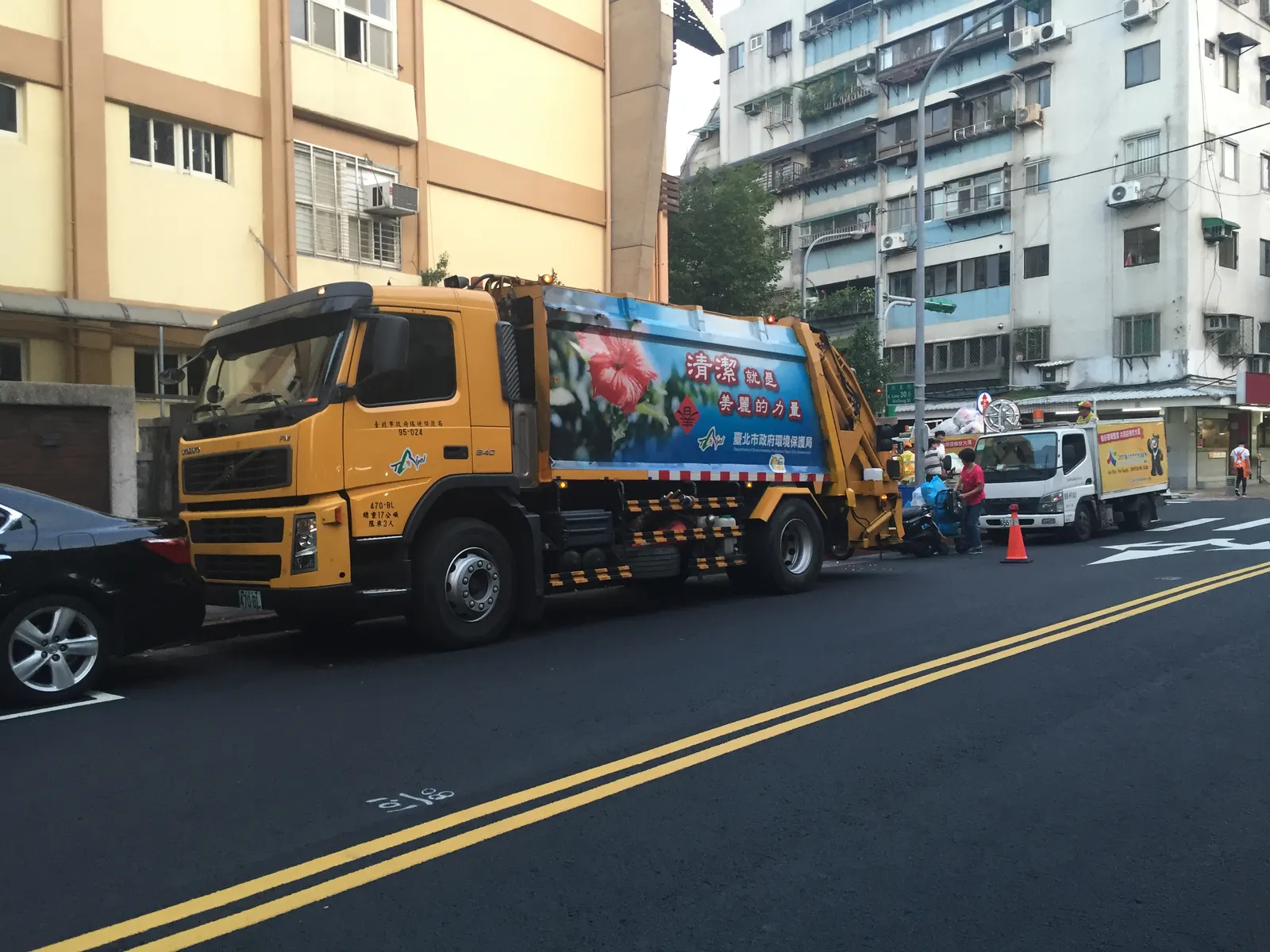
The fastest way to reduce waste collection costs is to stop paying for trips that deliver no service: the empty pickups, the reactive call-outs, and the hours spent replanning rounds by hand. Collection is the most expensive part of the job, so the biggest savings come from using truck-and-crew time only on the work that actually needs doing.
This guide walks through where the money goes, the four cost levers an operator can genuinely move, and how better data turns each one into a leaner operation, without cutting the service residents see.
Where the money actually goes
Collection is the costliest stage of waste management. It is the most labour- and fuel-intensive part of the operation, accounting for roughly three-quarters of the total cost of solid-waste management (Encyclopaedia Britannica). Within that, people are the single largest line: about 60% of New York's Department of Sanitation solid-waste budget goes to worker wages, health insurance, pensions and other benefits (Citizens Budget Commission).
That matters for cost control because it tells you where to look. Cheaper bins or a slightly better fuel contract nibble at the edges. The number that dominates the operation is expensive truck-and-crew time, so the real question is simple: how much of that time is spent on trips that had to happen, and how much on trips that didn't?
The four cost levers you can actually move
Most of the recoverable cost in a collection operation sits in four places. None of them require cutting service; they require replacing guesses with evidence.
1. Empty and near-empty pickups
Fixed schedules treat every container as if it fills at the same rate, so a bin that is barely a third full gets the same visit as one that is overflowing. Trucks roll to containers that weren't ready, and every one of those stops burns fuel, crew minutes and vehicle wear for no service delivered. Switching to dynamic, needs-based collection, where a fill-level signal decides which bins go in tomorrow's round, is the lever that removes them.
2. Reactive dispatch and overflow complaints
The most expensive trip is the unplanned one. An overflowing bin generates a complaint, and the complaint generates a call-out that nobody routed for. Reactive work breaks the round, adds kilometres and eats overtime. Seeing fill levels before a container spills lets you fold that stop into a planned round instead of chasing it after the fact.
3. Manual planning time
Planners often rebuild rounds by hand in spreadsheets and on maps, week after week. That is skilled time spent on a task software can draft in minutes. A planning tool that proposes a round from current data frees the planner to do the part that needs judgement: checking it against roadworks, local events and which truck is in the shop. The plan is a proposal, not an order. The software suggests and a person approves before anything goes out.
4. Distance and fuel
Even the stops that must happen can be strung together better. Sequencing them to keep total distance low is where route optimization earns its keep. Studies of real-world IoT-enabled deployments report distance reductions of roughly 12% on average, well below the larger figures optimistic simulations produce (Logistics, systematic review and meta-analysis). Fewer kilometres is also the cleanest lever on emissions, since heavy-duty vehicles already account for about a quarter of road-transport CO₂ in the EU (European Environment Agency).
How data turns levers into savings
The four levers share one input: a trustworthy signal of what needs collecting. That signal can come from fill-level sensors, service history, or predicted fill based on past patterns. Feed it into a route planner and the round is built from evidence rather than habit, so trucks skip containers that aren't ready and stop burning kilometres on empty pickups.
The order of operations is what keeps it honest. Deterministic code counts the fill levels, distances and constraints; the software narrates a suggested plan; and a dispatcher approves it before dispatch. WasteHero's route planning works this way on purpose, and the same operations platform that builds the round records what actually happened so next week starts from better ground truth. For collectors weighing the business case, our solutions for waste collectors lay out how the pieces fit together.
What to measure
You cannot reduce a cost you do not track. A few operational metrics tell you whether the levers are moving:
- Empty-stop rate: the share of visited containers that were not near full. Falling is good.
- Cost per lift or per tonne: the headline efficiency number, watched over time.
- Complaints and reactive call-outs: a proxy for how much unplanned, expensive work you are absorbing.
- Kilometres per round: the distance lever, read against service levels so you are not trading fuel for missed bins.
None of these are one-off wins. Cost reduction in collection is a loop that tightens as the data improves, the same loop that drives waste route optimization and the wider set of high-tech innovations in waste management. For the full picture, browse the rest of our writing on route optimization.
Frequently asked questions
What is the biggest cost in waste collection?
Labour and fuel tied to running trucks and crews. Collection accounts for roughly three-quarters of total solid-waste-management cost (Encyclopaedia Britannica), and within collection, wages and benefits are typically the largest single component. That is why cutting unnecessary trips beats trimming smaller line items.
Do you need sensors to cut collection costs?
No. Sensors sharpen the fill signal, but you can also plan against service history or predicted fill and still remove empty stops and shorten rounds. The point is to route from evidence rather than a fixed calendar.
Does reducing costs mean cutting service?
No. The savings here come from trips that delivered nothing, empty pickups, reactive call-outs and avoidable kilometres, not from visiting bins that need emptying. Done well, service quality holds or improves because fewer containers overflow.
Interested in hearing more? Get in touch with a WasteHero expert.