Digitalisation is changing the way we live, engage and work. When it comes to smart waste management, digitalisation has enabled huge innovations across the whole industry. These new technologies, driven by artificial intelligence (AI), the Internet of Things (IoT), data analytics, and robotics, are the right tools to meet rising waste generation. WasteHero looks at seven high-tech innovations that can contribute to the waste management revolution.
By 2050, global waste is expected to reach 4 billion tons, double the 2016 figure. The rapid increase is driven by a growing urban population and the rise of consumer culture in recent decades.
The global waste problem will not disappear anytime soon, and traditional waste management systems are not equipped to handle the additional volume. To help bridge the gap, communities must adopt smart waste management technologies that increase efficiency, reduce collection costs, and divert more waste away from landfills.
Thanks to developments such as AI and robots, the waste industry has made a lot of strides in the right direction. Some innovations are newer than others, but all worth mentioning. Here are seven high-tech innovations in waste management.
1. Pneumatic waste pipes
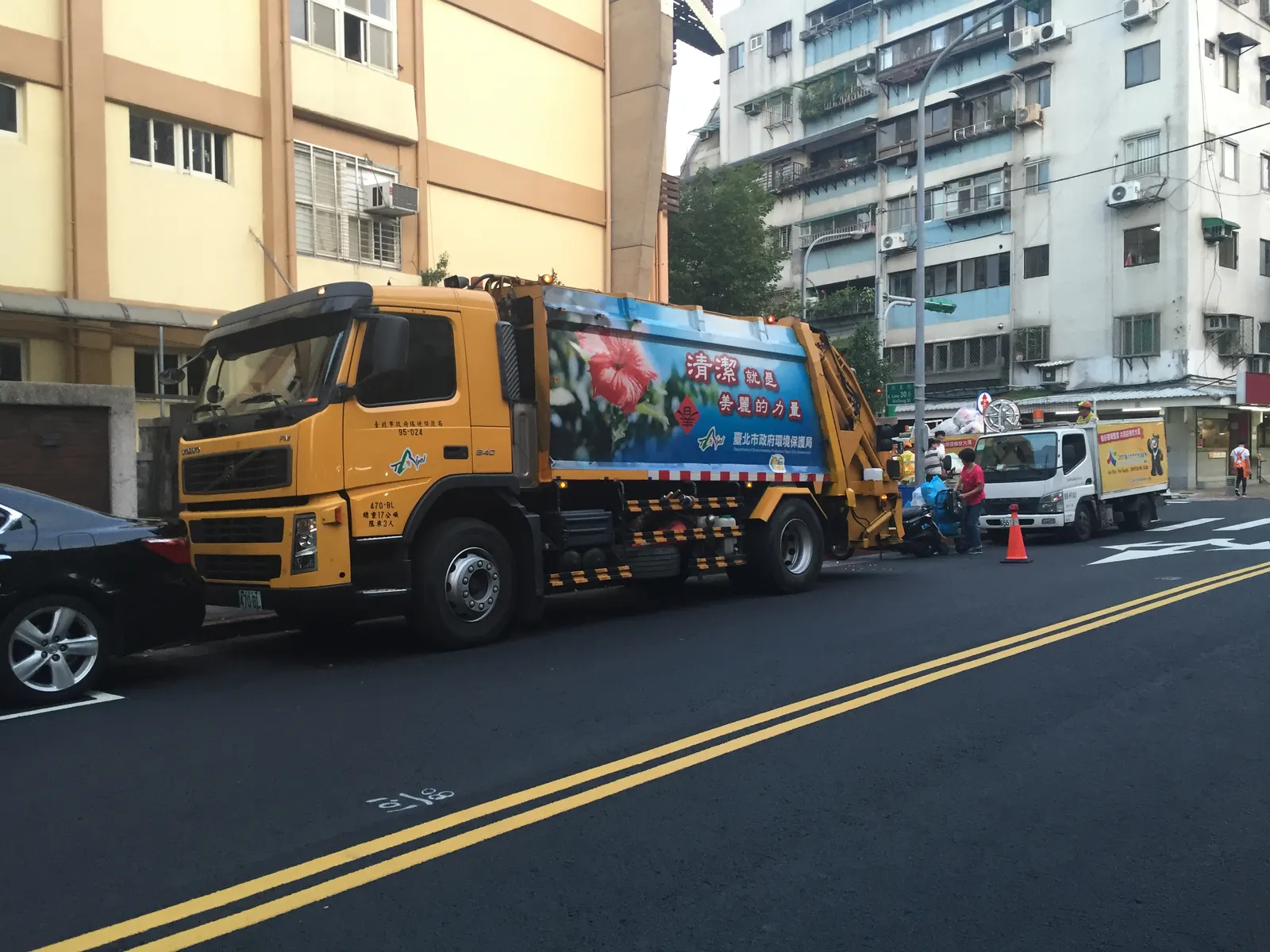
Pneumatic waste systems may not be the newest technology, but they are an innovative solution to urban waste management. Instead of traditional garbage trucks, waste is transported through underground pipes from buildings to designated collection points. This reduces the need for large trucks on the streets and eliminates the unpleasant smells and pests often associated with traditional collection. Cities such as Barcelona, Bergen, Seoul, London, Singapore, and Helsinki are increasingly adopting these systems as a more effective, environment-friendly way to manage waste.
2. Robotic sorting
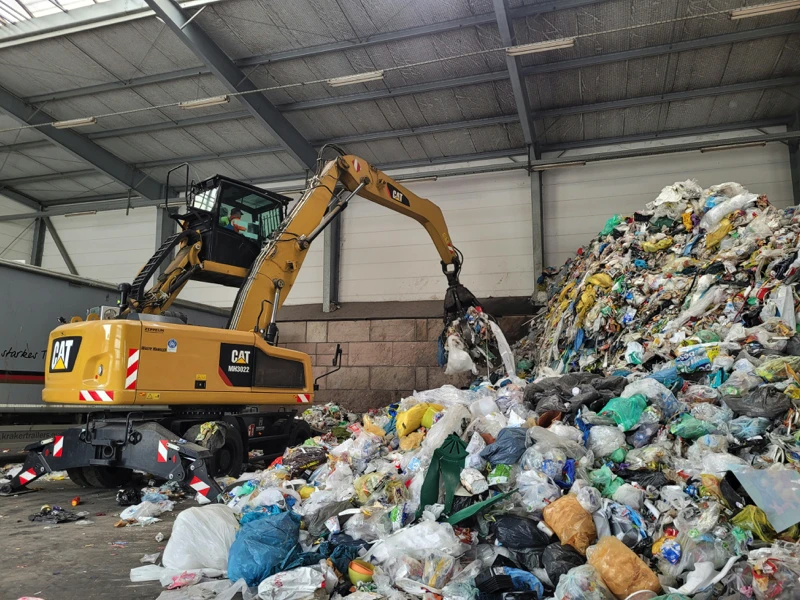
As technology continues to advance, more and more tasks are being taken over by AI and robots. The waste management industry is no exception, with these technologies increasingly used in sorting facilities to improve material recovery, increase efficiency, and reduce labour costs. One example is Emmet County's plan to use robots in their sorting facility, especially during seasonal labour shortages.
That's not all robots have to offer. Different places have different rules for recycling, and it can be hard for people to know them all. This is where AI trash cans come in. They can recognise what kind of waste is being thrown in and sort it correctly, and they can also educate residents on where their waste should go next time.
3. Smart bin sensors
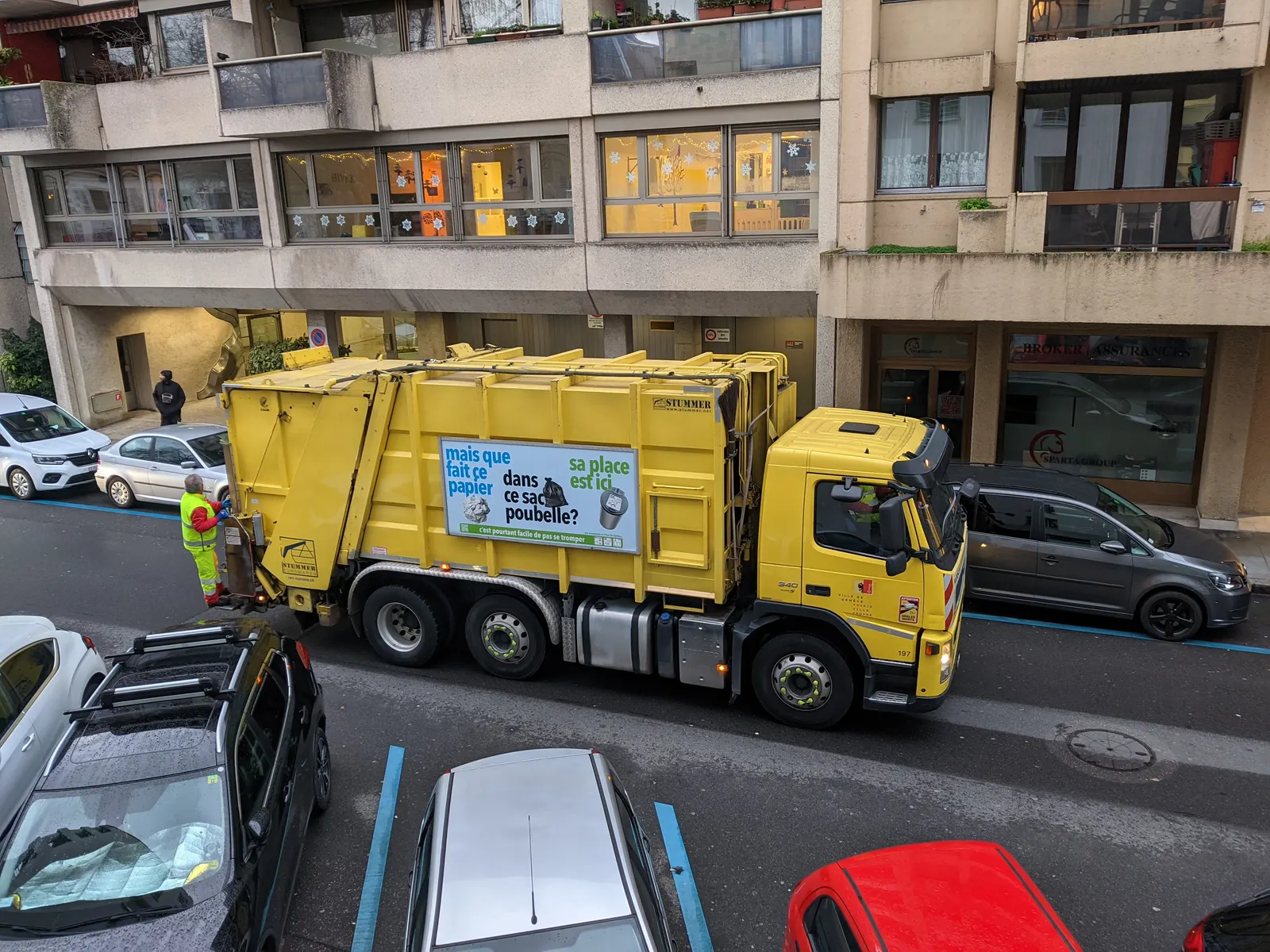
Meet the driving force behind cutting-edge waste collection. Smart bin sensors track, measure, and monitor container fullness to enable dynamic, needs-based collection. By accurately measuring fill levels, collections can be planned for when they're actually necessary instead of running on fixed schedules. Trucks don't have to go out unnecessarily, which reduces fuel costs and CO₂ emissions.
Local authorities throughout the UK have jumped on the trend, with Derby City Council reporting encouraging results from their latest installation. Derby's Streetpride team installed smart litter-bin sensors in 200 'hot spot' bins around the city. So far, the installation has reduced overflowing-bin complaints and cut visits to litter bins by 53%, eliminating unnecessary trips.
4. Solar-powered compactor bins
Solar-powered compactor bins are smart devices that read a waste bin's fill level in real time and trigger an automatic compaction of the waste. They also collect and transmit data on fill level and collection times to streamline the process. The compaction mechanism runs on a battery charged by an on-board solar panel.
The precursor to these bins is Bigbelly, deployed in more than 60 countries with more than 70,000 units worldwide. The Bigbelly solar trash compactor compacts its contents to increase collection capacity, and the Connect by Bigbelly software sends notifications when a unit is nearing capacity or full.
5. Recycling apps
Everything starts with awareness, but many people still don't know how a given piece of waste should be recycled. To close that gap, organisations have released apps such as RecycleNation and iRecycle that make recycling easier for individuals. With these apps, users can manage their waste, find nearby pickup locations, follow industry news, and learn where each item should go.
Fredericia Kommune jumped on this innovation with their own app, Affald Fredericia. The app gives citizens a single tool for everything they need: notifications of upcoming collection days, a way to report missed collections, the location and opening hours of the nearest recycling centre, the sorting guide, and the option to buy a bag tag for an extra bag of waste.
6. RFID technology
Data plays a vital role in the waste management industry, and many systems can help you handle it. That is where RFID (radio-frequency identification) comes in. RFID is about digital data collection: data is encoded by a reader using radio waves and stored in a database.
RFID is one of the most prominent technologies in today's waste management sector. WasteHero's asset management software incorporates RFID to enable precise service verification and simplify tracking of containers. This information helps you understand your waste management process better, make it more efficient, and save costs.
7. Route optimisation
Waste management companies have been using route optimisation software to enhance their operations. It's an effective tool to minimise environmental impact while maximising efficiency. By gathering data from sensors and consolidating it in a single platform, you can optimise routes for collection trucks and ensure efficiency. A good route planner collects, tracks, and analyses the most accurate data and produces the best plan from it.
WasteHero's smart sensor technology allows fill levels to be measured accurately. Combined with our platform, cities and businesses can plan dynamic, needs-based routing, eliminating unnecessary pick-ups and avoiding excess CO₂ emissions.
To meet the rising challenge of global waste, these high-tech innovations will need to be further developed and implemented. A modern update to the traditional approach lets us redistribute resources based on data, leading to a circular economy and far more sustainable outcomes.
Interested in hearing more about the WasteHero solution? Get in touch with a WasteHero expert.