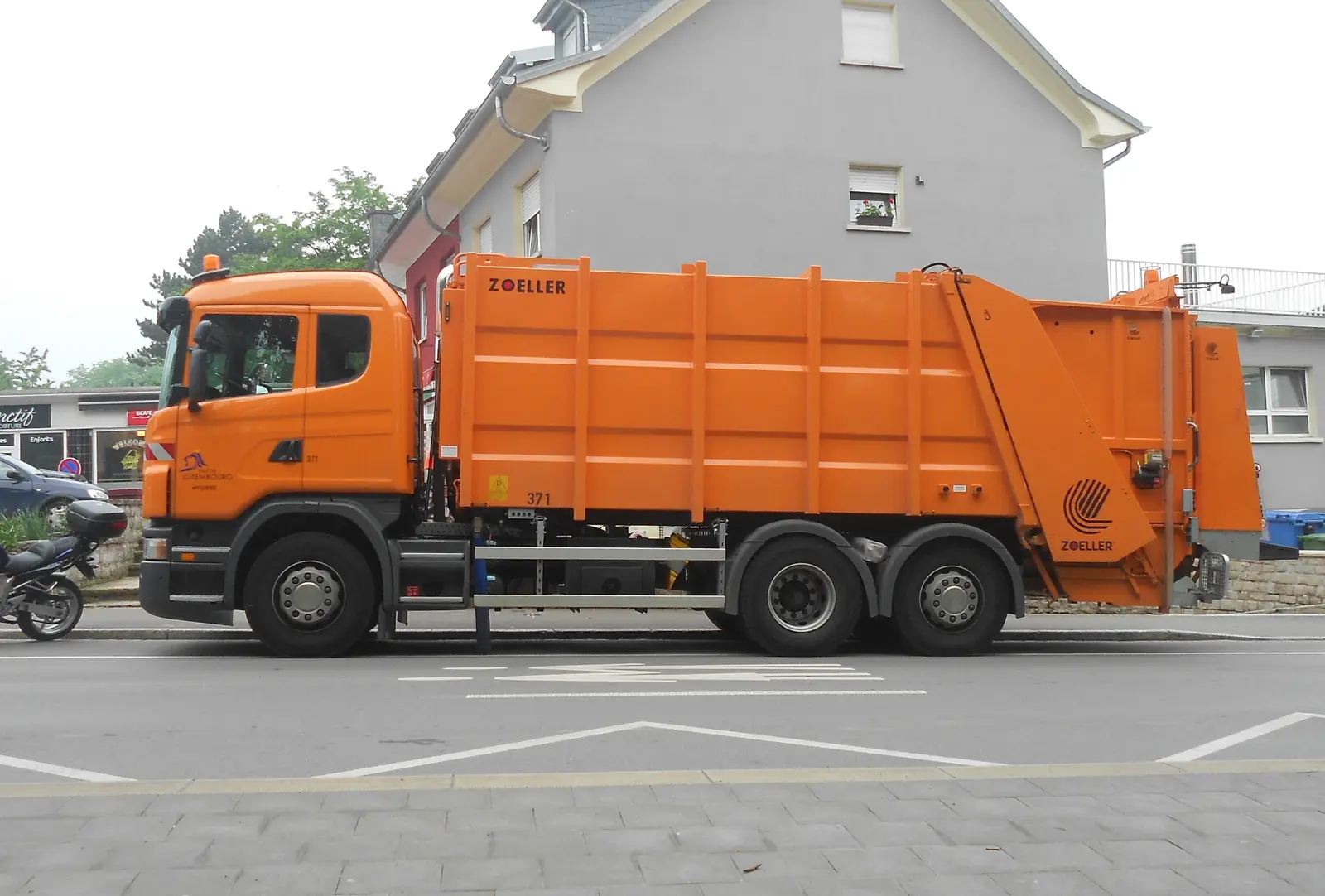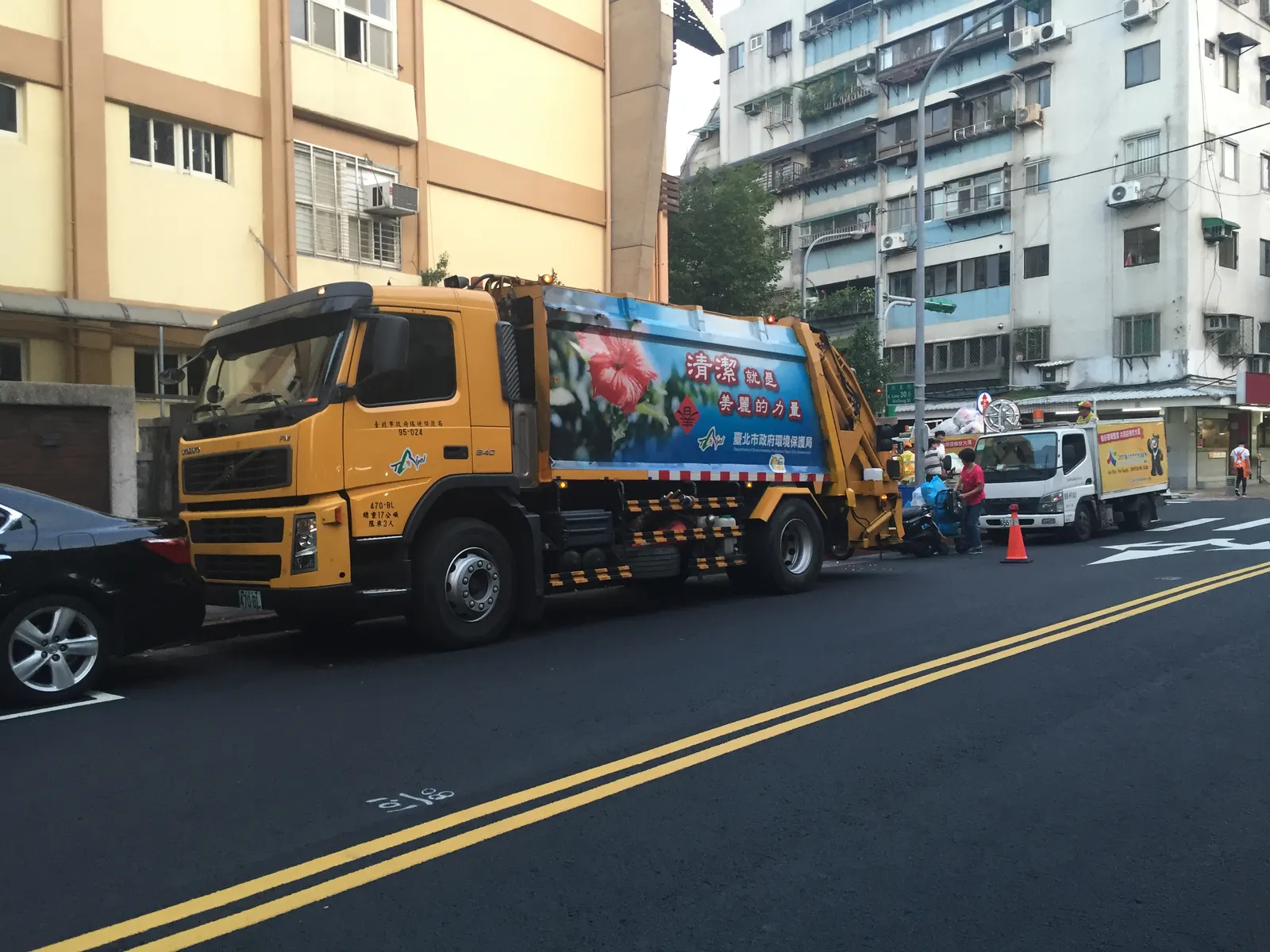
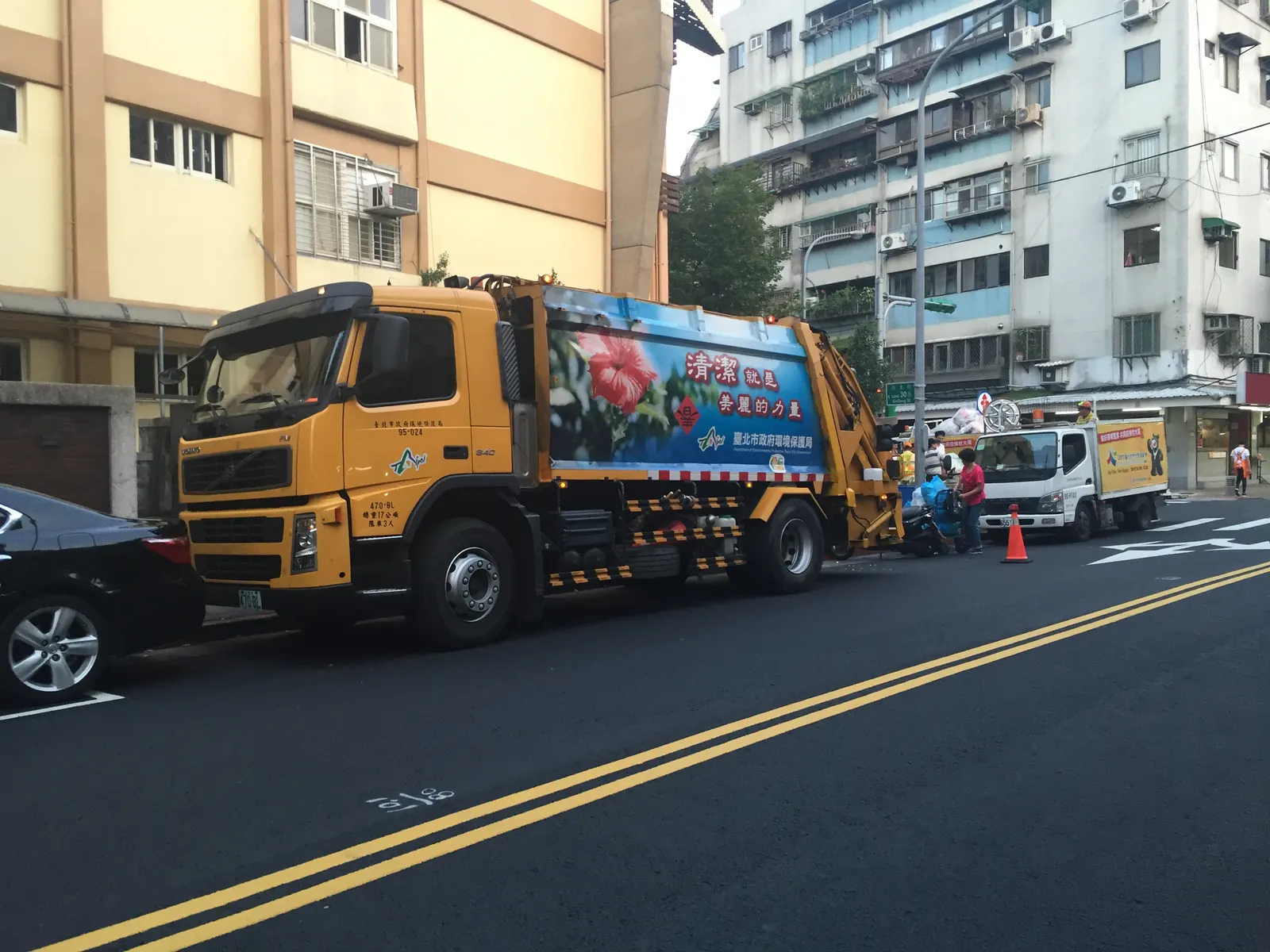
Most waste trucks still run on a calendar, not on need. They empty bins that are half full and skip the ones overflowing three streets over, because the route was fixed months ago and nobody told it the bins had changed.
Dynamic waste collection flips that logic. Instead of a fixed timetable, pickups are planned around what bins actually contain: measured, not guessed. This guide explains what that means in practice, why fixed schedules waste trips, and what an operator needs to make the switch.
What is dynamic waste collection?
Dynamic waste collection (also called needs-based or demand-driven collection) means a bin is serviced when it is close to full, not because a particular day has come round. Fill-level data from each container feeds a plan that changes as the data changes: a route on Tuesday can look nothing like the route two weeks ago.
The contrast is with fixed-schedule collection, where every bin on a round is emptied on the same cadence regardless of how full it is. Fixed schedules are simple to run, but they assume every bin fills at the same rate, and bins never do. A container outside a busy café fills far faster than one on a quiet residential lane.
Why fixed schedules waste trips
Two failures show up on almost every fixed round. First, trucks empty bins that barely need it. A peer-reviewed pilot in Valencia, Spain stated the core problem plainly: municipal bins are emptied even when only half full, and vehicle fuel is spent unnecessarily (MDPI Resources). Second, bins that fill faster than the schedule overflow between visits, generating complaints and litter.
Both failures cost money, and the vehicle is the expensive part. Refuse trucks are among the least fuel-efficient vehicles on the road. A US Department of Energy case study measured collection trucks at roughly 2.1 miles per diesel gallon equivalent, a consequence of heavy loads and constant stop-and-go driving (Alternative Fuels Data Center). Every avoidable trip burns fuel at that rate. And the volume is substantial: EU residents each generated 513 kg of municipal waste in 2022 (Eurostat), so across a network the cost of running the wrong routes adds up fast.
How needs-based collection works
Three things have to line up.
Measurement. Sensors inside containers read the fill level (usually with ultrasonic or similar distance sensing) and report it on a regular cadence. That turns "we think this bin is full" into a number you can act on. WasteHero's fill-level and asset tracking is built on exactly this: measure the container, don't estimate it.
A plan built from the data. Fill levels feed route planning. Instead of one static round, the day's stops are chosen from the bins that actually need service, and ordered to keep driving distance down. Route planning handles the ordering; the operator sets the rules: which bins are priority, which service windows apply.
A human decision. The plan is a suggestion, not a command. The system proposes a route; a planner reviews it and approves it before a driver rolls. That "AI suggests, you decide" step is what keeps a needs-based system accountable: nothing changes in the field without someone signing off.
What good looks like
A common mistake is assuming every bin needs a sensor before dynamic collection can start. It doesn't. The Valencia pilot's main conclusion was that you do not need a sensor in every bin to manage fill levels well. A representative sample is enough to learn how an area fills and to right-size the schedule around it (MDPI Resources).
That matters for budgets. You can instrument the fastest-filling and most complaint-prone locations first, learn the pattern, adjust the rounds, and expand from there. Good dynamic collection is less about hardware everywhere and more about acting on the data you already have.
Practical signs it is working: fewer trucks sent to bins that were nearly empty, fewer overflow complaints on the fast-filling sites, and rounds that shorten as the plan learns each area's rhythm.
Where to start
Start with the question a fixed schedule cannot answer: which of your bins are you servicing too often, and which not often enough? Fill-level data answers it directly. From there, needs-based routing is a planning change, not a rip-and-replace: the trucks and crews stay the same; what changes is which stops they make and in what order.
Interested in hearing more? Get in touch with a WasteHero expert.