Do you know what happens to recyclable materials when they are not properly recycled? The consequences may surprise you. From pollution and greenhouse gas emissions to resource depletion, the effects of poor recycling are far-reaching. Today we look at the consequences of poor recycling and five ways local authorities can help boost citizen participation in recycling.
Recycling is an important part of protecting the environment and conserving natural resources. However, when recyclable materials are not properly recycled, it can have negative consequences for both the environment and the economy.
Environmental consequences
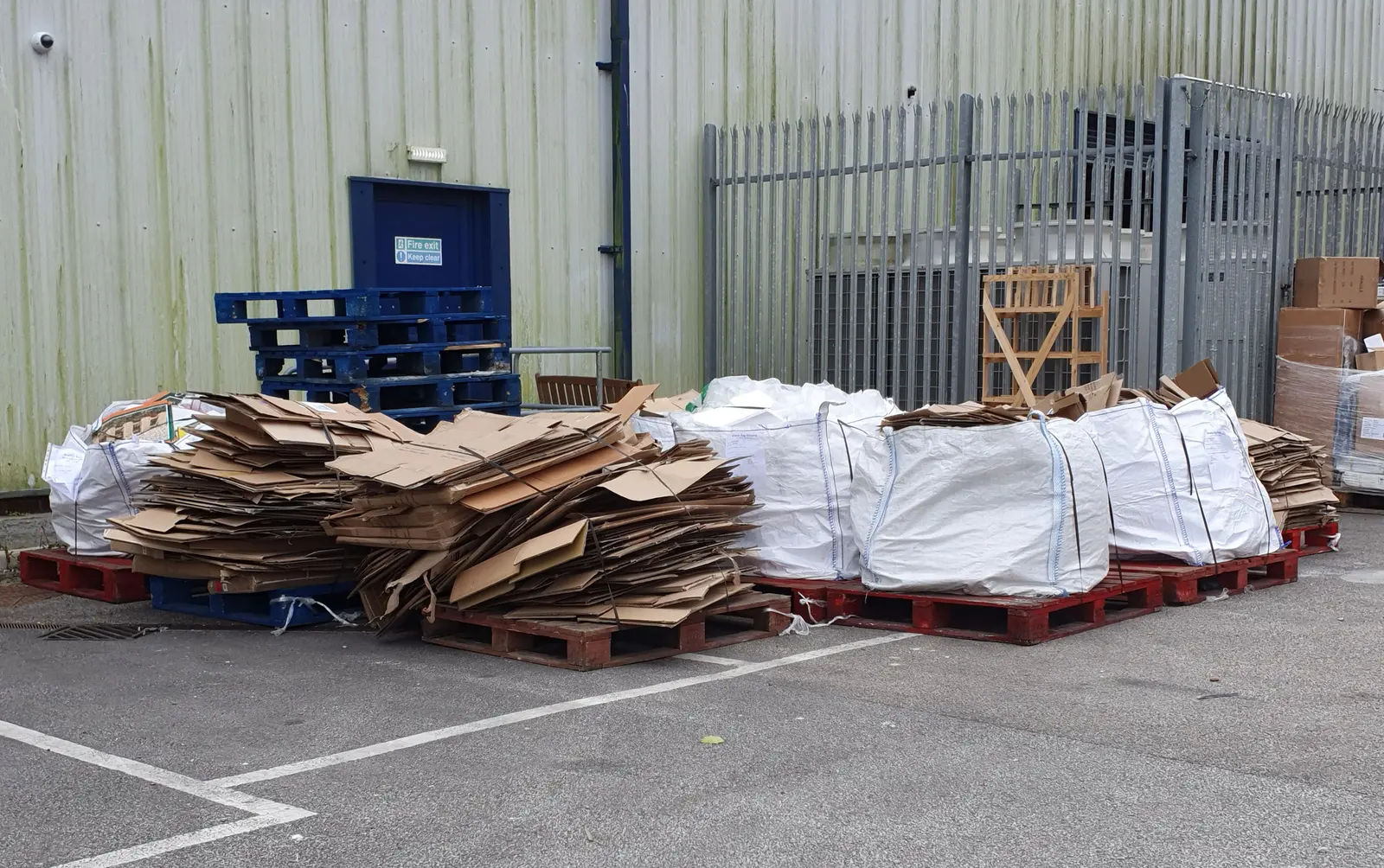
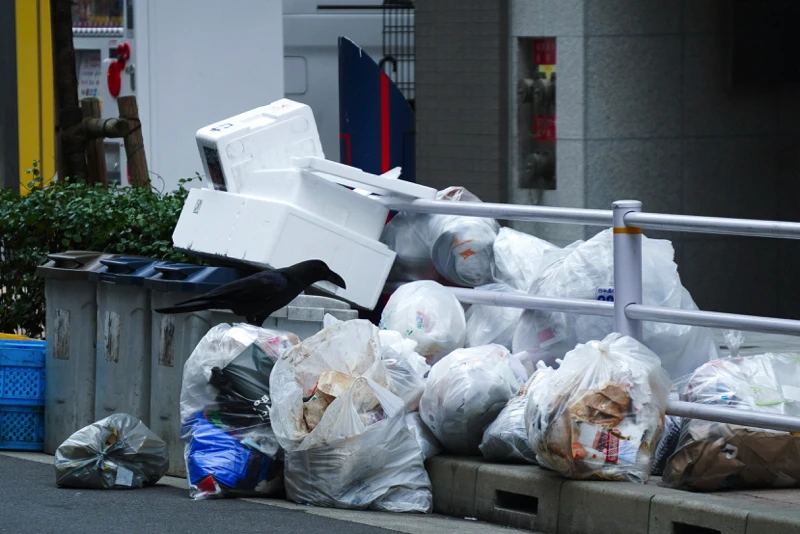
When recyclable materials are not properly recycled, they often end up in landfills where they take up space and contribute to pollution. Landfills are a major source of greenhouse gas emissions, as the materials within them break down and release methane, a potent contributor to global warming. When recyclable materials are sent to landfills, they are also lost as a potential source of raw materials for new products.
Economic consequences
Recycling creates jobs and stimulates the economy by providing raw materials for manufacturers at a lower cost than extracting and processing new materials. When recyclable materials are not properly recycled, manufacturers must rely on more expensive sources of raw materials, which can make their products more costly and less competitive. This can lead to a decrease in demand for their products and a decrease in overall economic activity.
Resource depletion
Many of the raw materials used to make products are finite and cannot be replenished once they are used up. By not properly recycling these materials, we are using up valuable resources that may not be available in the future.
Poor recycling rates have significant consequences for the environment and the economy. They contribute to pollution and greenhouse gas emissions, reduce economic activity, and lead to the depletion of valuable resources. It is important for individuals and communities to recycle properly in order to mitigate these negative effects. So let's look at how local authorities can help to boost citizen participation in recycling.
How local authorities can encourage residents to recycle correctly
Local authorities play a crucial role in promoting and facilitating recycling within their communities. By implementing effective strategies and programs, they can encourage residents to recycle correctly and reduce the amount of waste that ends up in landfills.
1. Provide clear information
One way for local authorities to encourage recycling is to provide clear and concise information about what can and cannot be recycled. That can include distributing pamphlets or creating informational posters that outline the types of materials that can be recycled, as well as providing guidelines on how to sort and prepare recyclables for collection. Make this information easily accessible via your website, social media platforms, or wherever you connect with your community.
2. Make recycling convenient
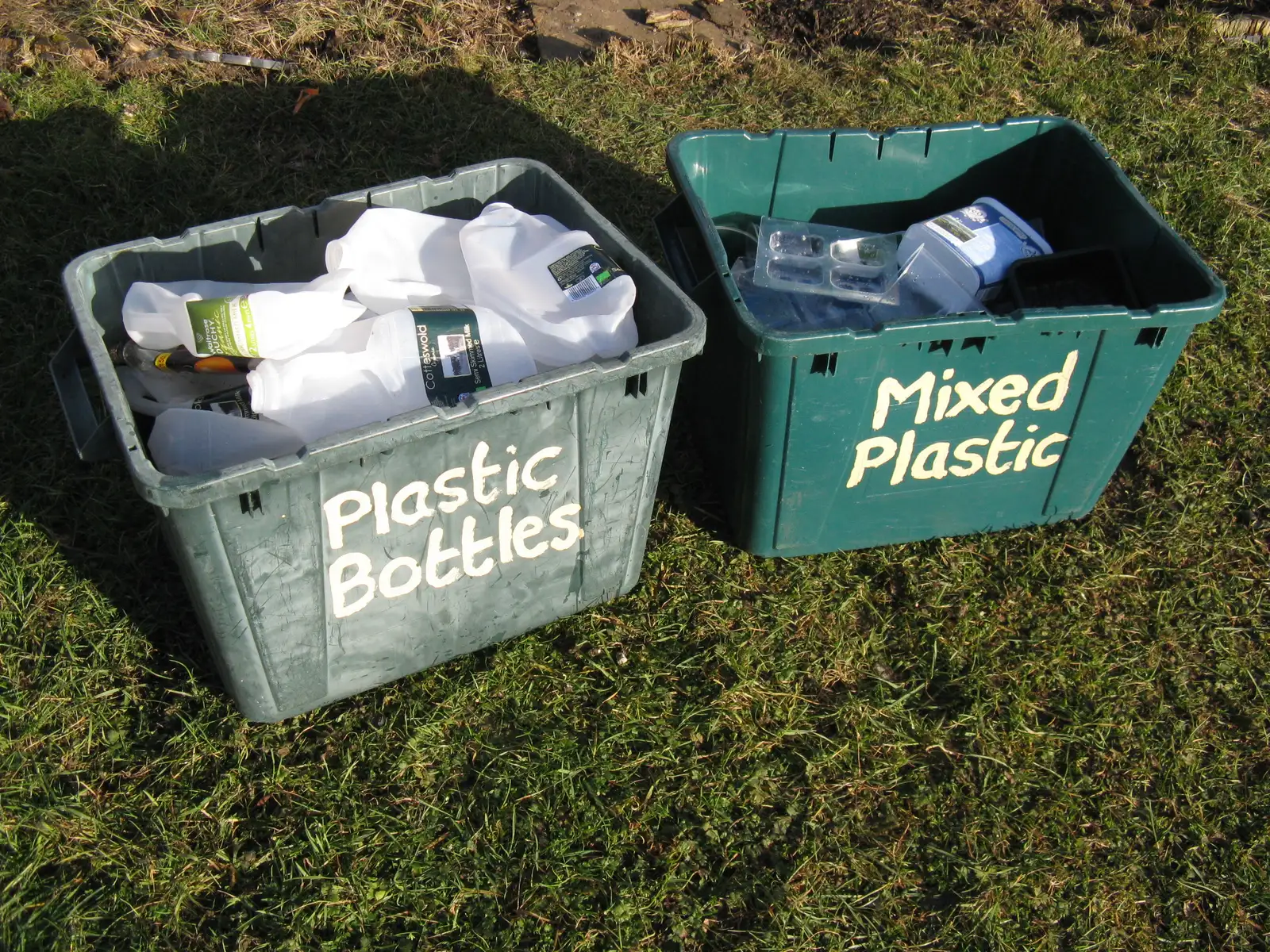
Another effective strategy is to make recycling as convenient as possible for residents. That can include providing multiple recycling bins in public areas, introducing kerbside collection for more recyclable waste fractions, and increasing the frequency of recycling collection while reducing the frequency of general waste collection.
3. Collaborate with schools and community organisations
Local authorities can work with schools and community organisations to educate residents about the importance of recycling and how it benefits the environment and the economy. That can include organising educational workshops, hosting community clean-up events, or partnering with local businesses to promote recycling initiatives.
4. Offer incentives
Offering incentives such as rewards or discounts for individuals and households that recycle regularly can help to boost participation in recycling programs. To track recycling behaviour at a postcode, street, or address level, local authorities need access to quality data analytics.
5. Use modern systems and technology
Local authorities can boost recycling rates by using software and technologies to gain data insights into waste and recycling behaviour. Armed with the knowledge of residents' recycling habits, local authorities can reward good behaviour or take action to educate the residents, streets, or postcodes that have low recycling rates.
Poor recycling practices have significant negative consequences for the environment and the economy. Local authorities can help to encourage residents to recycle correctly by providing clear information, making recycling convenient, collaborating with schools and community groups, offering incentives, and taking advantage of data insights to educate residents.
Looking for a waste management system that can help your local authority boost recycling rates? Get in touch with WasteHero.